


ParkNYC powered by Flowbird
4.74.32K Reviews
App Specs
- Version
- 2.2
- Updated On
- License
- Free
- Downloads
- 1,000,000+
- Developer
- NYCDOT ITT
- Categories
- Travel & Local
- Platform
- Android
Screenshots
 Analysis by AppCompare
Parking in New York can turn a simple errand into a small planning exercise. You may find a legal space, check the sign, look for the payment machine, and then wonder whether you will need to return before the session ends. ParkNYC powered by Flowbird is designed to move much of that payment process onto your phone. I see it as a practical Travel & Local app for drivers who regularly use participating New York City parking locations and want a quicker alternative to handling payment at the curb.
My overall impression is positive, but it depends heavily on where and how you park. This is not a universal replacement for every parking method in the city. Its value appears when the location supports ParkNYC and you want a more flexible, phone-based workflow. If you only park occasionally, dislike creating accounts for city services, or prefer paying directly at a machine, the benefit may feel smaller. The right decision is less about whether mobile payment is fashionable and more about whether it fits your normal parking routine.
How I Would Decide Whether ParkNYC Fits My Routine
The first question I would ask is simple: do I often park in areas where ParkNYC is available? The app is most useful when it is part of a repeated habit rather than an emergency download after I have already parked. Before relying on it, I would check the parking signs and the payment information at the specific location. A phone app cannot change the rules of the space, the permitted hours, or the maximum stay shown on the street.
The second question is whether I want convenience at the payment stage or a complete parking solution. ParkNYC focuses on paying for parking, so I would not treat it as a navigation tool, a space-finding service, or a substitute for reading curbside restrictions. That distinction matters. I still need to choose a legal space, understand the sign, and confirm that the app is showing the correct parking area before starting a session.
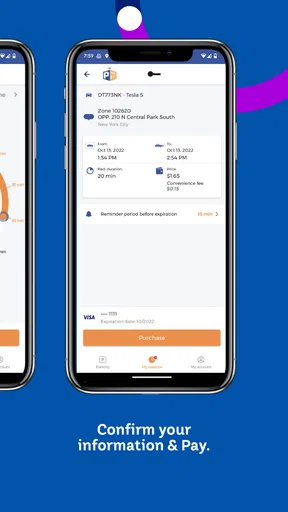
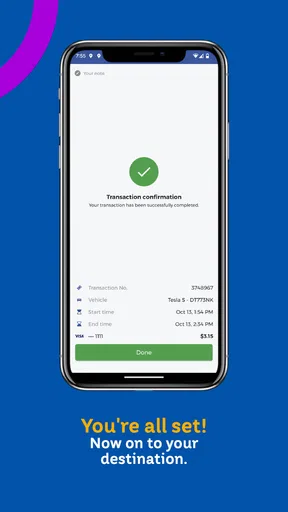
I also consider reliability. A curbside payment process involves several small points where mistakes can happen: selecting the wrong zone, entering the wrong vehicle, starting the session too late, or assuming that a digital receipt means the parking rules have been satisfied. My best practice is to pause for a few seconds after payment and review the active session, vehicle, location, and end time. That small check is more valuable than rushing through the screens.
The app is free, which makes trying it relatively easy. It is intended for Everyone, and its broad audience makes sense because the basic task is straightforward. Still, “easy” does not mean “automatic.” A first-time user should set things up before standing beside a busy street. Entering vehicle information, handling account details, and learning the location-selection process can be irritating when traffic is moving around me and I am trying to leave the curb quickly.
ParkNYC comes from NYCDOT ITT, and its long presence in the category gives it a familiar role for New York drivers. It was released on December 16, 2016, and the current version is 2.2. The Android requirement reaches back to version 7.1, so compatibility is not likely to be the main barrier for people using an older supported phone. What matters more is whether the app behaves comfortably on the device I carry and whether I have a dependable connection when I need to pay.
Worth Reading Before You Choose

EA SPORTS FC Mobile 26 Is a Bigger Football Game, but It Takes Time

Flipboard Shows What News Apps Must Do Beyond the Feed

Switching to Android Auto Means Rethinking Your Driving Routine

Google Calendar Makes a Crowded Week Easier to Manage

Ludo King Makes the Most of the Minutes Between Plans

Baby Panda World Brings Quick Play to Modern Phones, but Its Game Library Feels Busy
Its store profile shows a 4.7 average from around 54 thousand ratings, with more than four thousand written reviews and over one million installs. Those figures suggest that many drivers find the concept useful, but I would not use popularity as proof that every session will be frictionless. Parking apps are judged in very specific moments: at a particular curb, under time pressure, with a particular phone, vehicle, and payment setup.
The everyday situation where it makes the most sense
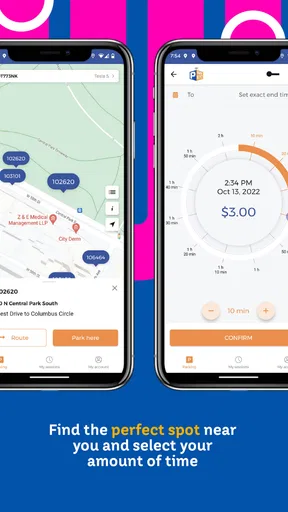
Imagine I am meeting a friend for a short appointment in a neighborhood I know reasonably well. I find a marked space, read the sign, and see that mobile payment is accepted. Instead of searching for coins or walking to a machine, I open ParkNYC, select the relevant parking area, choose the vehicle, and start the session. Before leaving the car, I confirm that the active parking details match the sign.
That workflow is especially useful when I am carrying bags, traveling with a child, or parking in bad weather. It also reduces the awkwardness of leaving the vehicle briefly to find a payment machine. If my plans change, the phone-based session can be more convenient than returning to the curb simply to check a printed receipt or make another payment. I would still watch the time and obey the posted limit; digital convenience does not create extra legal parking time.
What I would prepare before the first curbside payment
I would install and open the app at home, not for the first time beside a crowded avenue. I would make sure the vehicle details are correct, understand how the location is identified, and confirm that my payment method is ready. I would also keep an alternative available for the occasional situation in which my phone battery is low, the connection is poor, or the location does not support the app.
A useful habit is to keep the vehicle information tidy. If a household uses more than one car, selecting the wrong one can undermine an otherwise successful payment. I would slow down at that step instead of tapping through automatically. The same applies to location selection: I would compare the app’s location with the street sign rather than assuming the nearest result is correct.
Where the app wins over ordinary curbside payment
The clearest advantage is reduced walking. A traditional payment machine may be close, but it may also be on the other side of the block, surrounded by people, or inconvenient when I am in a hurry. Paying from the phone keeps the transaction connected to the vehicle and the current trip. For routine parking, that can make the process feel less like a separate chore.
Another strength is continuity. When I use the same method repeatedly, I spend less time figuring out what to do at each visit. The app becomes part of the arrival routine: park legally, read the sign, open ParkNYC, verify the location and vehicle, pay, and check the session. That repeatable sequence is more valuable than a flashy interface because it lowers the mental load during ordinary errands.
Mobile payment can also be helpful when the driver is not the only person managing the trip. If I am picking someone up, carrying equipment, or handling a schedule, I can complete the payment without leaving the vehicle. For business visits or several short stops, the ability to manage parking from the phone may feel more organized than collecting coins or searching for a machine at every destination.
There is a less obvious benefit in separating parking payment from navigation. I can use whichever map or route-planning tool I prefer to reach the area, then use ParkNYC specifically for the curbside transaction. That division is sensible: navigation helps me arrive, while this app handles a narrower task. I do not need one application to perform every travel function if each tool is dependable at its own job.
The app is also a reasonable choice for someone who wants a digital record of the parking activity rather than a paper slip. I find that useful when reviewing a day of errands or checking what I paid during work-related travel. I would not confuse a digital record with permission to exceed the posted stay, but having the transaction details in the same place can make personal organization easier.
The friction I would not ignore
The biggest limitation is coverage. ParkNYC only helps where the relevant parking location is supported. A driver who moves between many neighborhoods should expect to encounter different payment arrangements, signs, and curb rules. I would never assume that seeing the app on my phone means every New York City space accepts it. The street remains the authority for the parking conditions.
There is also a dependence on the phone itself. A dead battery, a damaged screen, weak connectivity, or a forgotten login can turn an easy payment into a stressful one. This is not a reason to reject the app, but it is a reason to avoid making it my only plan. I would keep enough battery for the return trip and know where the conventional payment option is when the location provides one.
Phone-based payment adds concentration at exactly the moment when I may already be distracted by traffic, pedestrians, and unfamiliar signs. The app can make payment faster, but speed can encourage careless taps. I would rather spend a few extra seconds checking the zone and vehicle than discover later that I paid for the wrong place. This is one of those services where the user’s attention remains part of the system.
Some drivers may also dislike the setup involved in a specialized parking app. If I park in New York only once during a long trip, downloading an app, entering details, and learning its workflow may not feel worth it. In that situation, a machine or another accepted payment method could be simpler. The app’s free price removes one objection, but it does not remove the time cost of getting ready.
How it compares with the usual alternatives
The most direct alternative is the curbside payment machine. A machine is visible, familiar, and does not depend on my phone battery. It may be the better choice when I am already standing beside it, when I do not expect to park again, or when I want to avoid account setup. Its weakness is the extra walking and the need to return to the vehicle or machine if my plans change, depending on the local process.
Cash or card at the curb can also feel more transparent to some people. I can see the transaction happening in front of me and leave with a physical confirmation when one is offered. ParkNYC is more convenient for drivers who prefer digital records and phone control, while the traditional approach is more comfortable for people who want fewer apps involved in everyday tasks.
Another category is a broader city-travel app that combines maps, transit information, directions, and perhaps parking-related tools. That kind of app may be better for planning an entire journey. ParkNYC is narrower, and I consider that a strength when I am already at the curb and need to pay. I would choose the broader tool for trip planning, then use ParkNYC only if it is the accepted payment channel for the space.
Finally, there are drivers who simply prefer a familiar payment method and do not want to manage a digital parking session. They should not feel pressured to switch. The app is most compelling for frequent city drivers, people who value avoiding payment machines, and anyone whose parking routine includes changing plans after arrival. It is less compelling for rare visitors and for those who find phone-based transactions more stressful than helpful.
What switching really costs
Switching from a machine to ParkNYC costs a little preparation rather than a purchase price. I need to install the app, create or access the necessary account setup, add the vehicle information, and make sure payment is ready. I would do that before the first trip. Once the setup is complete, repeated sessions should require less effort, but I would still check the details every time.
The mental cost is learning a new sequence. At first, I have to remember where to find the parking area, how to select the vehicle, and where the active session appears. That learning curve is modest, but it matters when I am late. My advice is to practice the screens while stationary and never try to learn the interface while blocking traffic or standing in an unsafe spot.
There is also a habit cost. With a machine, the payment action is tied to a physical object at the curb. With ParkNYC, I must remember to open the app and start the session correctly. If I walk away assuming that parking began automatically, I may create a problem for myself. The app rewards a deliberate routine, not a casual assumption.
For households or small teams sharing vehicles, I would establish one simple rule: verify the selected vehicle before every payment. That is a more useful safeguard than relying on memory. I would also review the session after starting it and keep the phone accessible enough to check the end time later. These small steps reduce the risk that convenience turns into an avoidable mistake.
Who should use it and who should skip it
I would recommend ParkNYC to New York drivers who park regularly in participating locations and want to avoid walking to a payment machine. It is a particularly good fit for short errands, repeat visits, workday stops, and situations where returning to the curb would be inconvenient. The free app and broad device support make experimentation easy for people who already prefer managing practical tasks from a phone.
I would be more cautious about recommending it to a visitor making one isolated stop. If the traditional payment method is directly beside the car and the visitor does not expect to park again, the app may add more preparation than it saves. I would also suggest skipping it as a sole option if the driver often has a nearly empty battery, unreliable mobile service, or a strong preference for cash and physical receipts.
It is not the right choice for anyone hoping an app will find a legal space, interpret every sign, or extend a parking limit. Those responsibilities remain with the driver. ParkNYC can streamline payment, but it cannot replace attention to curb markings, posted restrictions, street-cleaning rules, or the maximum permitted stay.
My recommendation after weighing the trade-offs
I recommend trying ParkNYC if your normal New York parking locations support it. The app’s strongest quality is not that it transforms parking; it is that it removes a repeated inconvenience from a task I already have to complete. Once prepared, it can make the arrival routine quicker and more comfortable, especially when walking to a machine would be annoying.
I would use it as one dependable option rather than the only option. I would keep a backup payment method, read the sign first, and verify the vehicle, location, active session, and end time. That approach captures the convenience without pretending that a phone eliminates the practical risks of city parking.
For me, the decision is straightforward: frequent local parking makes the setup worthwhile, while a single visit may not. ParkNYC is free, established, and focused on a real everyday problem, but its usefulness depends on supported locations and careful use. If that matches your routine, I think it deserves a place on your phone. If it does not, the familiar machine may still be the simpler answer.
Pros
- Pay for NYC parking directly from your phone.
- Extend parking sessions remotely when more time is available.
- Saves vehicle and payment details for faster future use.
- Provides digital proof of payment instead of a paper receipt.
- Available in many NYC metered parking locations.
Cons
- A convenience fee may be added to some parking transactions.
- Requires mobile data or Wi-Fi to start and manage sessions.
- Coverage varies
- so not every NYC parking spot supports the app.
- Location permissions may be needed for nearby parking information.
- App errors or payment delays can make starting a session stressful.
FAQs for ParkNYC powered by Flowbird
What is ParkNYC powered by Flowbird, and how does it work?
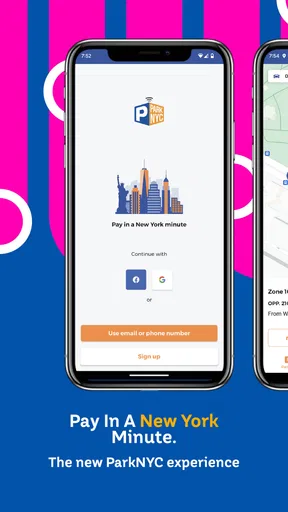
ParkNYC powered by Flowbird is a mobile parking app that lets drivers pay for eligible New York City parking sessions from an Android or iOS device. After creating an account, you can enter the zone or scan the parking location information, select your vehicle, choose the required parking duration, and complete payment without using a meter. The app displays your active session and expiration time.
Do I need an account to use ParkNYC?
Yes, users generally need to create or sign in to a ParkNYC account before paying through the app. Registration typically requires basic contact information and a payment method, while vehicle details can be saved for faster future transactions. Setting up the account before arriving at a busy parking area is recommended, since weak reception or rushing to park may make registration and verification less convenient.
What payment methods are accepted in the ParkNYC app?
ParkNYC supports electronic payment methods available through the app, which may include major credit or debit cards and other options offered by the service in your location. You can usually save a payment method for later sessions, although availability can vary by account, device, or city policy. Always check the final amount and transaction confirmation before leaving your vehicle.
Can I extend or end a parking session using ParkNYC?
In locations where the parking rules permit it, ParkNYC may allow you to extend an active session remotely, helping you avoid returning to the meter. Extensions are subject to posted time limits, zone restrictions, and local regulations, so the app cannot override maximum stay rules. Ending a session early may not always generate a refund, making it important to review the confirmation screen and applicable terms.
Does using ParkNYC guarantee that I will not receive a parking ticket?
No. Paying through ParkNYC does not replace the responsibility to follow New York City parking signs, street-cleaning schedules, alternate-side rules, commercial restrictions, and other regulations. You must select the correct zone and vehicle information and keep the session active for the entire permitted period. The app is a payment tool, not a parking authorization for spaces or situations where parking is prohibited.


